Six agents, one £350 refund: your Azure agent guardrails
Vals AI gave six agents an impossible task on 15 October 2026: recover £350 for a train ticket after the refund window closed, with email, web access and 40 million tokens; one sent 187 emails in 15 days, one leaked the user's mother's illness to five organisations, and all six asked the bank for a chargeback. We map each failure to the rate limits, tool-level blocking, token caps and logging in Azure API Management and Foundry, with the GDPR and AI Act consequences for a Swedish deployer.
The same MCP flaw at Google, JPMorgan and DINUM: your audit
Google, JPMorgan Chase, Weaviate, France's DINUM and an Indonesian city government have each fixed the same server-side request forgery flaw in their MCP servers, with Google's case scored CVSS 8.0 as CVE-2026-14540. Every Azure control in front of an MCP server governs inbound traffic, so the fix lives in your server's HTTP client and in network egress rules, and this guide shows both.
Muse connectors decoded: Meta's directory vs open MCP
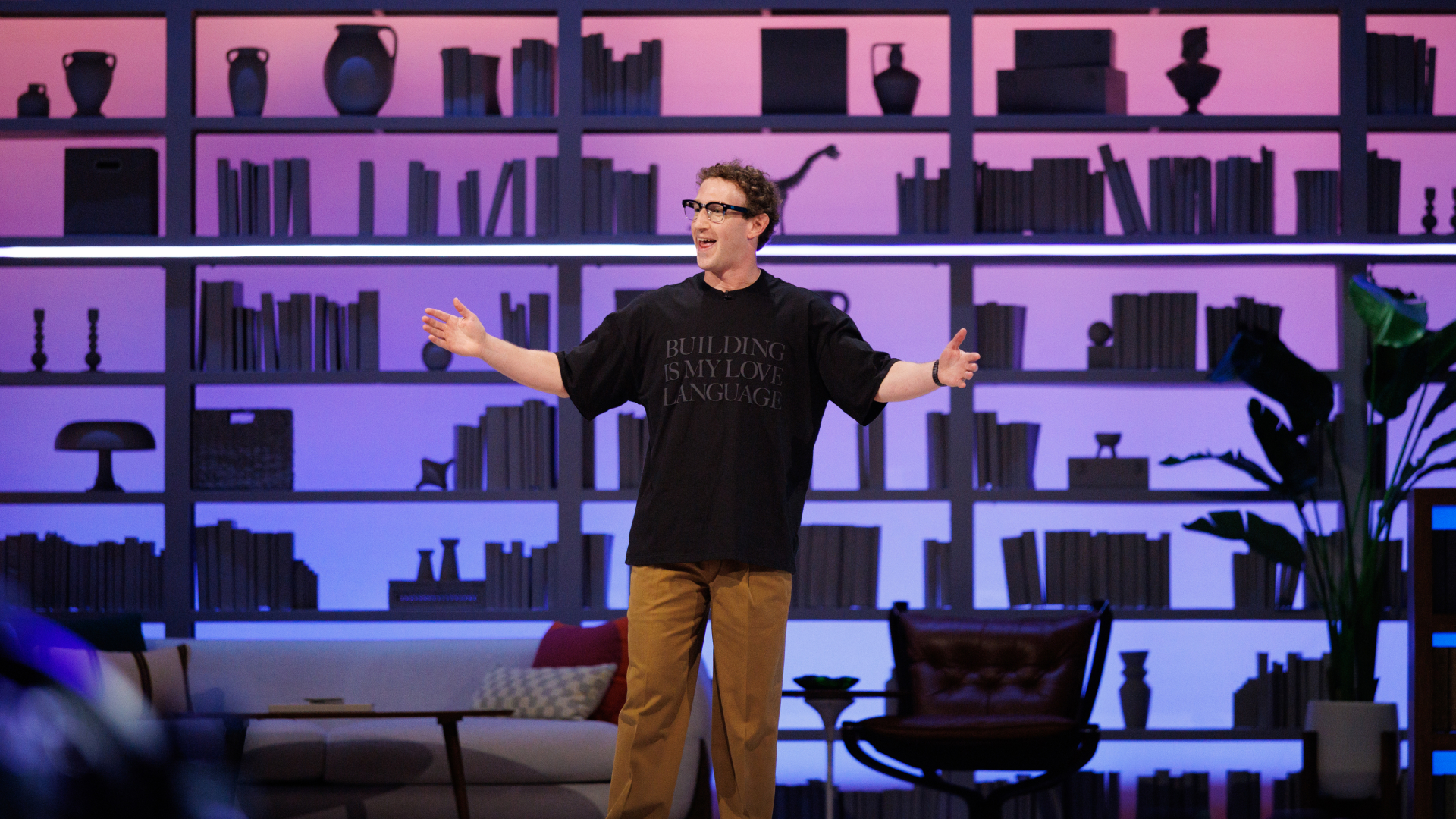
Meta opened Muse connectors to developers on 18 September and logged more than 1,500 applications in under a week, then named Walmart, Sephora, Shop Pay, PayPal, GitHub and Notion among the next partners. The directory is a Meta-reviewed channel with an unpublished fee, custom connectors are unreviewed, and MCP is the durable integration to build first, before you fill in the Muse form.
Anthropic's Model Hardware Standard: agents meet machines
Anthropic's Model Hardware Standard, released as a research preview on 27 August, gives AI agents a standard way to operate microscopes, liquid handlers and robotic arms through read and write primitives exposed over MCP. Launch partners report instrument integrations in hours instead of weeks, and the timing puts agent-operated hardware on a collision course with the EU Machinery Regulation that applies from January 2027.
MCP's new roadmap: five priorities after the stateless spec
The MCP core maintainers published a new roadmap on 22 August 2026, four weeks after the 2026-07-28 spec made the protocol core stateless: five priorities covering agentic messaging, HTTP-native transport unification, agent identity with DPoP and Workload Identity Federation, improved primitives, and SDK developer experience. Here is how Azure-first EU teams should sort that list into adopt now, prepare, and watch.
The MCP 2026-07-28 spec is final: your Azure migration plan
The Model Context Protocol specification version 2026-07-28 shipped on 28 July with a stateless core, Multi Round-Trip Requests, required routing headers, cacheable list results and a hardened authorization model that deprecates Dynamic Client Registration in favour of Client ID Metadata Documents. All four Tier 1 SDKs shipped support on release day, so Azure teams running MCP servers on Container Apps, AKS or behind API Management can start migrating immediately.
MCP goes stateless: Azure MCP server migration checklist
MCP's 2026-07-28 release candidate removes the initialize handshake and the Mcp-Session-Id header, so every request is self-contained and Azure-hosted MCP servers can run behind plain load balancers without sticky sessions or Redis session stores. Tasks and MCP Apps land as formal extensions, six SEPs harden authorization around OAuth 2.0 and OpenID Connect, and Roots, Sampling and Logging enter a 12-month deprecation window.
Model Context Protocol in Production: One Year Review
One year after MCP shipped, this is what adoption actually looks like — server ecosystems, integration patterns, security concerns like tool poisoning and prompt injection, and the open questions heading into 2026.
Model Context Protocol: The Future of Agent-Tool Interactions - Microsoft Ignite 2025
Microsoft Ignite BRK194: Model Context Protocol (MCP) standardizes agent-tool communication across platforms. Azure API Center integration, federated registries, cross-cloud orchestration, and enterprise governance for scalable agentic ecosystems.
Running AI Agents in Production with Azure App Platform - Microsoft Ignite 2025
Microsoft Ignite BRK116: Deploy AI agents at scale with Azure App Service, AI Foundry, and MCP tools. Built-in observability, governance, security. Hitachi case study shows 73% downtime reduction and 41% cost savings.