Execution Containers GA on Windows 11: Intune comes later
Microsoft Execution Containers went GA on Windows 11 on 7 October 2026, alongside GitHub Copilot local sandboxing, so the OS now enforces which files and hosts an agent can reach. Intune policy and Entra agent attribution are still "coming soon" with no date, which leaves the agent developer drawing the boundary and the employee's name on every action; here is what to enforce now, what to defer, and the Cloud PC cost math.
OpenAI Dots vs Meta Muse: two agent trust models compared
OpenAI Dots and Meta Muse launched 21 days apart with opposite trust models: Dots inherit 4,000+ ChatGPT plugins and the user's identity behind auto-review and four rule levels, while Muse runs each user in a dedicated VM behind a Sentinel gatekeeper with surrogate credentials. Only Dots are reachable from Sweden, through Business Premium, so the practical work for a Swedish team is plugin inventory, rule levels and audit attribution.
Muse vs Hermes Agent vs OpenClaw: who should run which
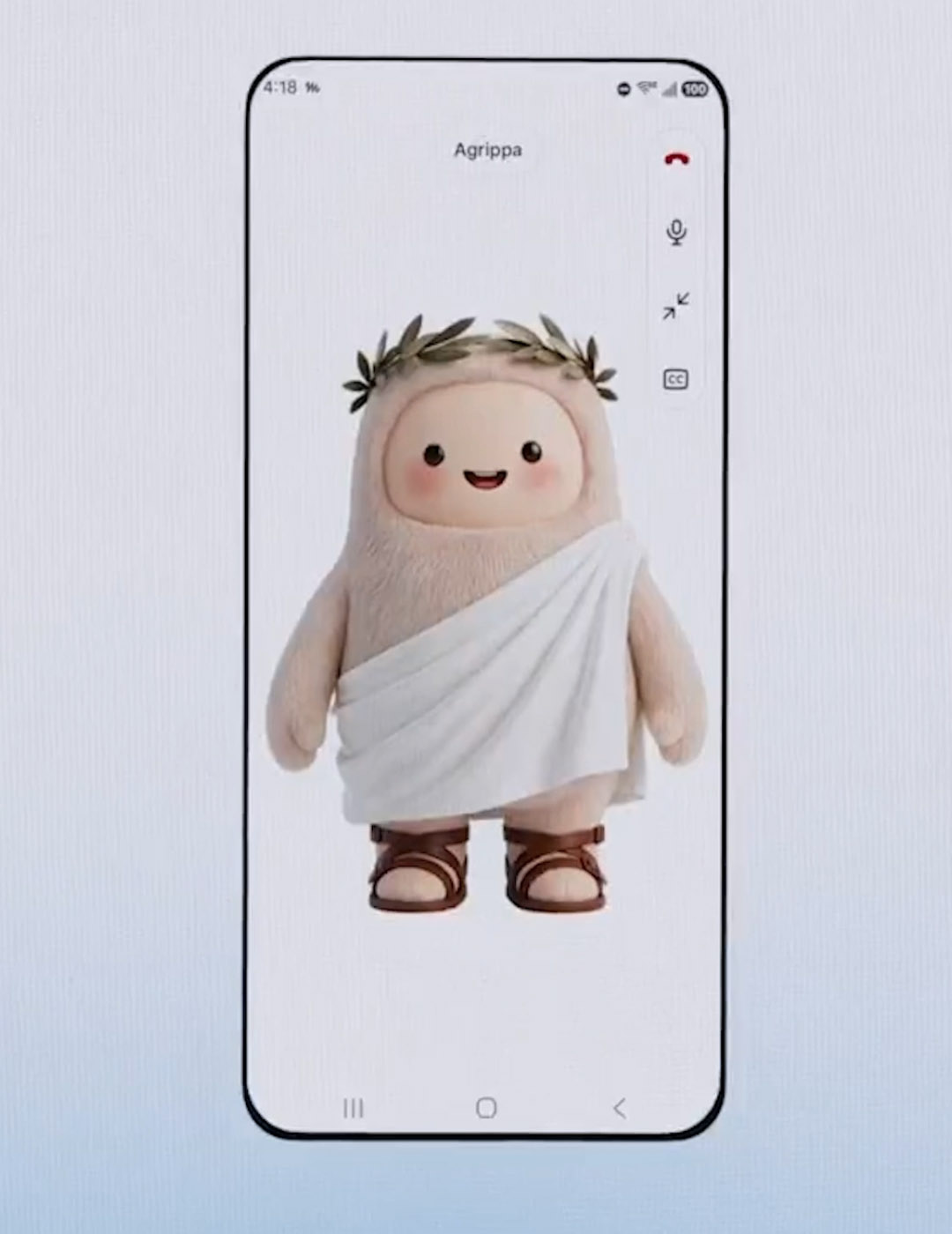
Meta Muse, Hermes Agent and OpenClaw all promise a persistent personal agent, but one runs only on Meta servers with Meta's model, one is a venture-backed open-source runtime with a Stockholm cloud region, and one is a non-profit project that Microsoft confirmed on Friday as the runtime under Copilot Autopilot. Security models, real monthly costs and a decision guide for Swedish teams.
Muse connectors decoded: Meta's directory vs open MCP
Meta opened Muse connectors to developers on 18 September and logged more than 1,500 applications in under a week, then named Walmart, Sephora, Shop Pay, PayPal, GitHub and Notion among the next partners. The directory is a Meta-reviewed channel with an unpublished fee, custom connectors are unreviewed, and MCP is the durable integration to build first, before you fill in the Muse form.
Meta Muse: the first mass-market personal agent, decoded
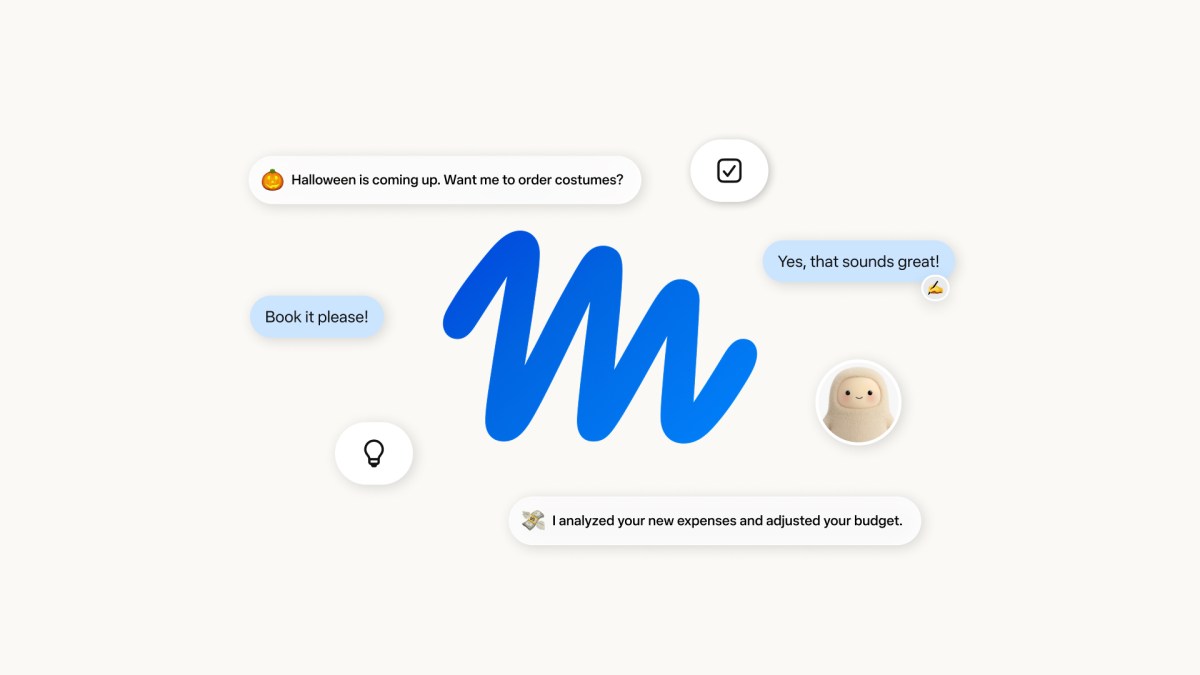
Meta's Muse hit number one on the US App Store ten days after its 8 September launch, with 2.8 million global installs by day twelve, by giving every user a dedicated cloud VM that browses, books and buys on their behalf. The architecture (Secure VM, a separate Sentinel approval agent, secrets hidden from the model, one-time Stripe cards) is now the consumer baseline, and the business model is a cut of every transaction.
A classifier is not a sandbox: isolating coding agents
A published attack chain achieved remote code execution against Claude Code in auto mode, with the safety classifier approving the steps that led to compromise and then blocking the cleanup command. What the break teaches teams running AI coding agents, and how to build real isolation on Azure with Hyper-V sandboxes, default-deny egress and short-lived credentials.
Agent 365: Unified Control Plane for AI Agent Management - Microsoft Ignite 2025
Microsoft Ignite BRK305: Agent 365 provides unified discovery, identity, security, observability, and Microsoft 365 integration for AI agents. Microsoft Agent Framework and Agent 365 SDK enable governed agent ecosystems.
Enterprise-Grade Secure Access for Agents with Microsoft Entra - Microsoft Ignite 2025
Discover Microsoft Entra Agent ID—managing AI agents as first-class digital identities. Learn how Agent Registry, Blueprints, lifecycle automation, Conditional Access, and identity protection provide enterprise governance and security for the AI agent era.
Enterprise AI Agents at Production Scale: Architecture, Security, and Real-World Impact - Microsoft Ignite 2025
Microsoft Ignite BRK114: Enterprise customer panel on production AI agents. Multi-tier architectures, event-driven orchestration, defense-in-depth security, human-in-the-loop patterns. Democratization with governance. Model selection optimization. Real deployments delivering $10M-$50M+ annual value. From experimentation to strategic differentiation.